3 Ways You’re Misreading Nutrition Facts Labels (Intermediate)
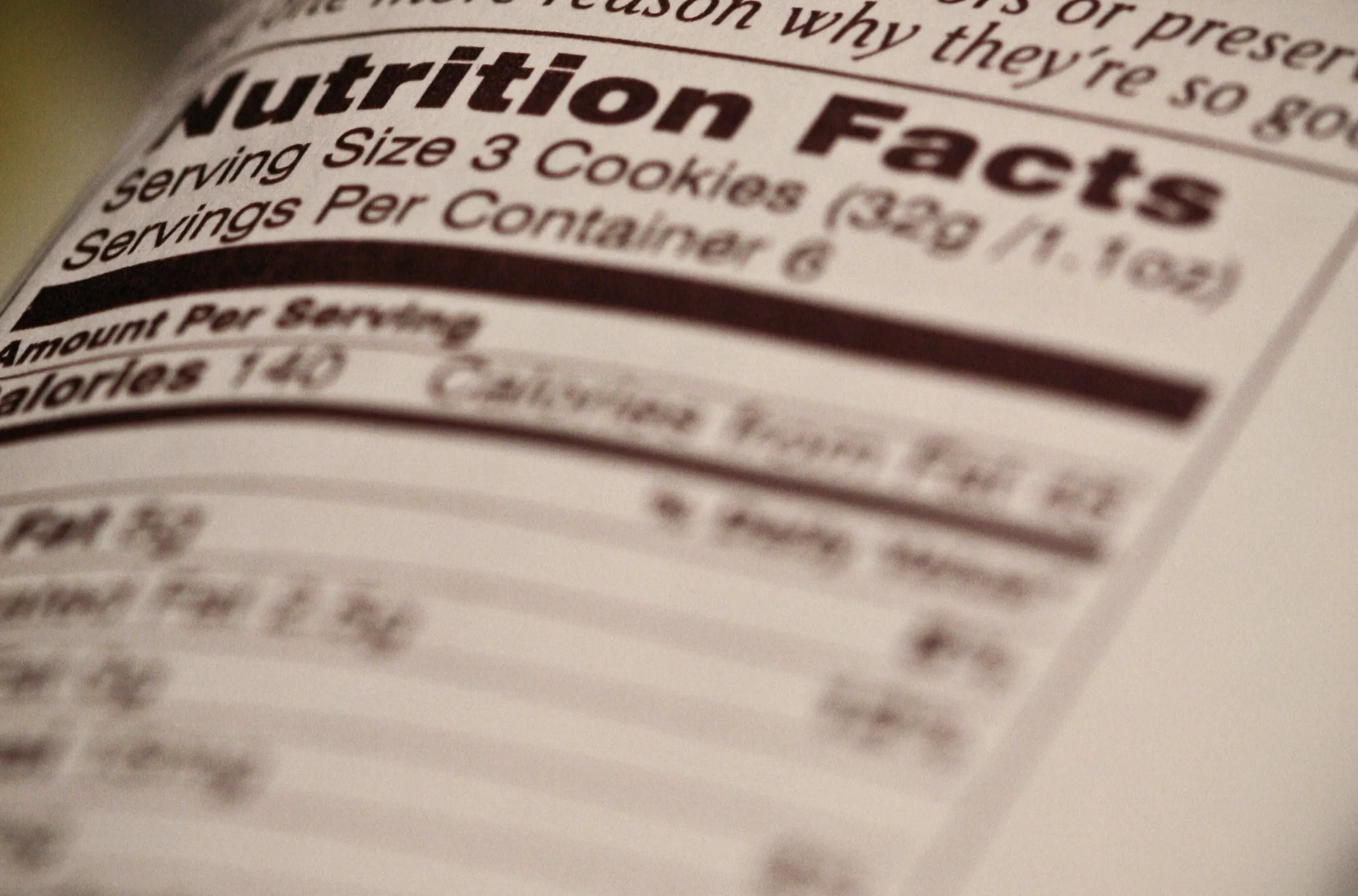
Many Americans say they check the Nutrition Facts label before buying food, but experts say the label is often misunderstood. Some people assume the chart is simple and exact, yet several parts of it are easier to misuse than they look.
One common mistake involves the % Daily Value. That number shows how much of a recommended daily amount comes from one serving, but it is based on a 2,000-calorie diet. Real calorie needs vary a lot depending on age, size, activity level, and life stage. Instead of treating the percentage as a personal rule, experts suggest using a simple guide: 5% or less means a food is low in a nutrient, while 20% or more means it is high. Most people should look for more fiber, vitamin D, calcium, iron, and potassium and less sodium, saturated fat, and added sugar.
Another problem is that the label is not perfectly precise. Federal rules allow some nutrients we should limit, such as calories, sugar, sodium, and saturated fat, to be up to 20% higher than listed. Naturally occurring nutrients can be as much as 20% lower. Only added nutrients in fortified foods must be exact.
Finally, many shoppers confuse total sugar with added sugar. Total sugar includes natural sugars, such as lactose in milk. Added sugar is the more important number for many people.
Vocabulary Words List
- Nutrition Facts — the official food information panel on a package
- misunderstood — not understood in the right way
- chart — a small organized display of information
- exact — fully precise and correct
- misuse — to use in the wrong way
- percentage — a number out of one hundred
- Daily Value — a standard daily nutrition guide used on labels
- recommended — suggested as a good amount
- serving — the stated amount of food for one portion
- calorie — a unit that measures food energy
- vary — to be different from one case to another
- activity level — how physically active a person is
- life stage — a period of life, such as pregnancy or aging
- guide — a helpful rule or direction
- fiber — the part of plant foods that helps digestion
- vitamin D — an important vitamin for health
- calcium — a mineral that supports bones
- iron — a mineral needed for healthy blood
- potassium — an important mineral for the body
- sodium — a mineral often linked to salt
- saturated fat — a type of fat people are told to limit
- federal — related to the national government
- rules — official requirements
- listed — written down or shown
- naturally occurring — found in food without being added
- fortified — having extra nutrients added
- shopper — a person buying food or goods
- confuse — to mix up two things
- total sugar — all sugar in a food, natural and added
- added sugar — sugar put into food during processing
Fill In The Blanks Listening Practice
Many Americans say they check the label before buying food, but experts say the label is often . Some people assume the is simple and , yet several parts of it are easier to than they look.
One common mistake involves the % . That number shows how much of a daily amount comes from one , but it is based on a 2,000- diet. Real needs a lot depending on age, size, , and . Instead of treating the as a personal rule, experts suggest using a simple : 5% or less means a food is low in a nutrient, while 20% or more means it is high. Most people should look for more , , , , and and less , , and .
Another problem is that the label is not perfectly precise. allow some nutrients we should limit, such as calories, sugar, , and , to be up to 20% higher than . nutrients can be as much as 20% lower. Only added nutrients in foods must be .
Finally, many shoppers with . includes natural sugars, such as lactose in milk. is the more important number for many people.
Vocabulary Retention Quiz
- Why can the % Daily Value be misleading for some people?
- What is a simple way to use the % Daily Value when comparing foods?
- Why does the law allow some wiggle room in label numbers?
- Which nutrients are many people advised to get more of?
- What is the difference between total sugar and added sugar?
Discussion Questions
- Do you usually read food labels before you buy something? Why or why not?
- Which part of the Nutrition Facts label seems most confusing to you?
- Do you think food labels should be simpler? What would you change?
- How much does sugar information affect your food choices?
Try this article in other languages and difficulties:
English (Beginner), Spanish (Intermediate), Spanish (Beginner), French (Intermediate), French (Beginner), Italian (Intermediate), Italian (Beginner), German (Intermediate), German (Beginner)