3 Ways You’re Misreading Nutrition Facts Labels (Beginner)
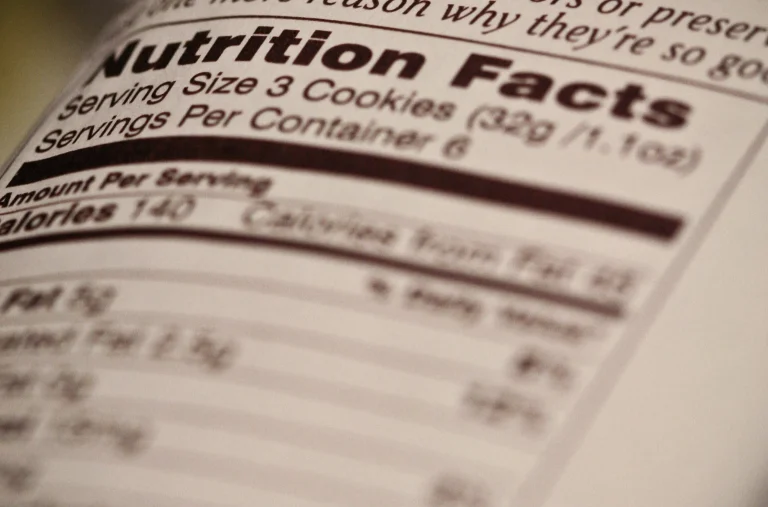
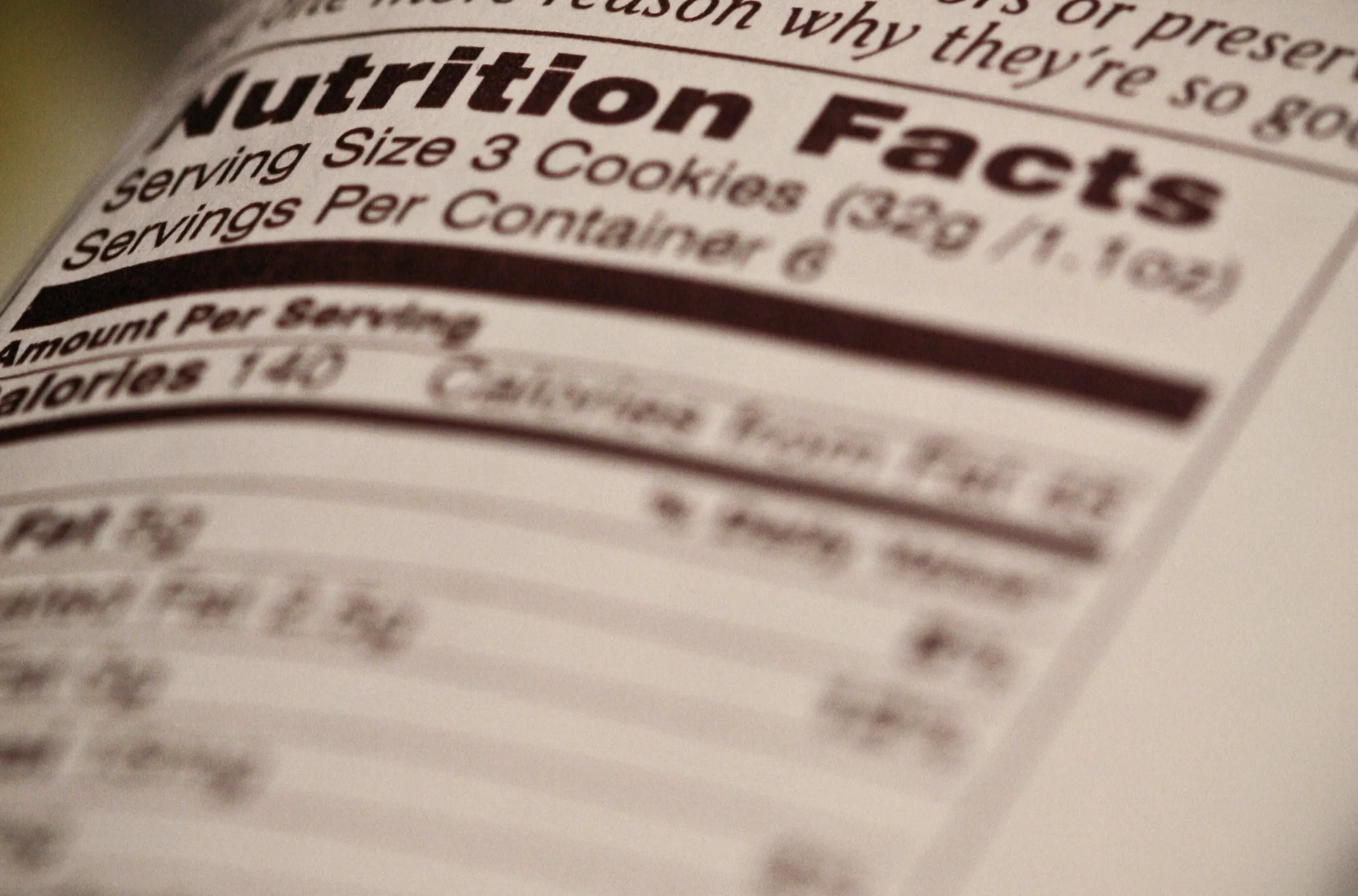
Many people look at the Nutrition Facts label before buying food, but not everyone understands it well. Experts say people often make simple mistakes when they read it.
First, the % Daily Value is not made for every person. It is based on a diet of 2,000 calories a day. But real people need different amounts of food. Age, height, weight, activity level, and even breastfeeding can change calorie needs. A better way to use the label is this: 5% or less means a food is low in a nutrient, and 20% or more means it is high.
Second, the numbers on the label are not exact. By law, some nutrients can be higher than the number shown, and some can be lower. Food companies get some room because natural foods do not always have the exact same nutrients in every package.
Third, check both sugar lines. Total sugar includes natural sugar, like lactose in milk. Added sugar is the number many people should watch more closely.
Vocabulary Words List
- Nutrition Facts — the food information panel on a package
- label — the printed information on a product
- experts — people with a lot of knowledge
- mistakes — things done the wrong way
- Daily Value — a guide to the amount of a nutrient in one serving
- diet — the kinds of food a person eats
- calories — units that measure food energy
- activity — movement or exercise
- nutrient — a helpful substance in food
- exact — completely correct with no difference
- package — the container a food comes in
- sugar — a sweet substance in food
- natural — coming from nature, not added
- added sugar — sugar put into food during making
- lactose — the natural sugar in milk
Fill In The Blanks Listening Practice
Many people look at the before buying food, but not everyone understands it well. say people often make simple when they read it.
First, the % is not made for every person. It is based on a of 2,000 a day. But real people need different amounts of food. Age, height, weight, level, and even breastfeeding can change calorie needs. A better way to use the is this: 5% or less means a food is low in a , and 20% or more means it is high.
Second, the numbers on the are not . By law, some nutrients can be higher than the number shown, and some can be lower. Food companies get some room because foods do not always have the same nutrients in every .
Third, check both lines. Total includes , like in milk. is the number many people should watch more closely.
Vocabulary Retention Quiz
- What does 5% or less on the label usually mean?
- Why are the numbers on the label not always exact?
- Which sugar number should many people watch more carefully?
Discussion Questions
- Do you usually read food labels before you buy something? Why or why not?
- Which part of the Nutrition Facts label seems most confusing to you?
- Do you think food labels should be simpler? What would you change?
- How much does sugar information affect your food choices?
Try this article in other languages and difficulties:
English (Intermediate), Spanish (Intermediate), Spanish (Beginner), French (Intermediate), French (Beginner), Italian (Intermediate), Italian (Beginner), German (Intermediate), German (Beginner)