
Jury Verdicts Against Meta and Google Could Change Tech Liability Law (Intermediate)
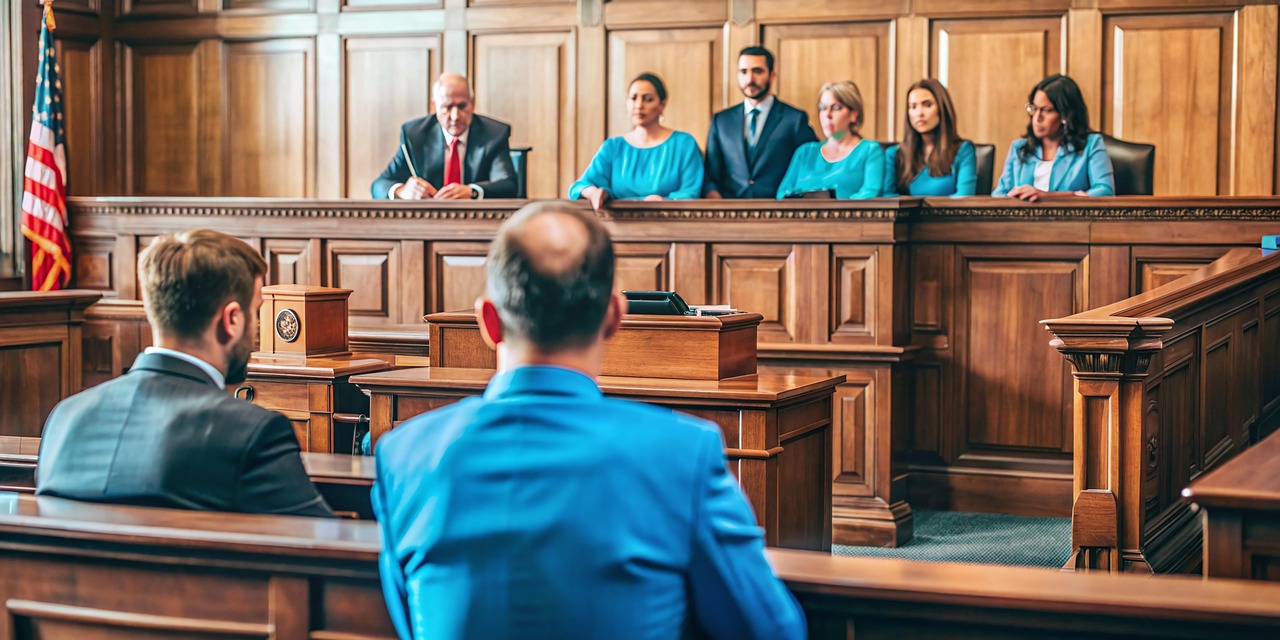
A jury in Los Angeles said Meta and Google must pay damages to a young woman who said Instagram and YouTube hurt her mental health when she was young. The jury awarded a total of $6 million. In New Mexico, another jury ordered Meta to pay $375 million. That jury said the company misled users about safety for children and allowed sexual exploitation on its platforms.
These cases matter because they challenge Section 230, a federal law from 1996. That law usually protects online platforms from lawsuits about content posted by users. In these trials, the plaintiffs used a different argument. They said the companies harmed children through design choices, such as addictive features and weak safety tools, not only through user content.
Meta and Google said they disagreed with the verdicts and plan to appeal. Both companies argued that Section 230 should protect them. Judges allowed the cases to go to trial anyway.
Legal experts say the appeals could change how courts view the law. Some lower courts have already suggested that platform design is different from user speech. If appeals courts agree, more lawsuits against tech companies could move forward. Thousands of similar cases are already pending against Meta, Google, Snap, TikTok, and Roblox. Some experts say the fight could shape rules for much of the internet, and the Supreme Court may one day define the limits of Section 230. The U.S. Supreme Court has avoided a full answer so far, but many lawyers think the justices may soon be asked to speak clearly.
Vocabulary Words List
- jury: a group of citizens that decides a court case
- damages: money paid after someone is harmed
- mental health: a person’s emotional and psychological well-being
- misled: gave someone a wrong idea
- safety: protection from harm
- exploitation: using someone in a cruel or unfair way
- federal law: a law made by the national government
- Section 230: a U.S. internet law that protects platforms in many cases
- platforms: online services where people share or view content
- lawsuits: legal cases brought to court
- content: words, videos, or images shared online
- plaintiffs: the people who bring a case to court
- design: the way something is planned or built
- addictive: hard to stop using
- features: special parts or tools in a product
- appeal: to ask a higher court to review a case
- judges: officials who oversee court cases
- experts: people with deep knowledge of a subject
- courts: places where legal cases are decided
- speech: expression through words or communication
- pending: still waiting for a final decision
- companies: business organizations
- internet: the worldwide system of online connections
- Supreme Court: the highest court in the United States
- limits: the edges or boundaries of something
- users: people who use a website or app
- children: young people
- trial: the formal process of judging a case
- protect: to keep safe from harm
- choices: decisions between different options
Fill In The Blanks Listening Practice
A in Los Angeles said Meta and Google must pay to a young woman who said Instagram and YouTube hurt her when she was young. The awarded a total of $6 million. In New Mexico, another ordered Meta to pay $375 million. That said the company about for and allowed sexual on its .
These cases matter because they challenge , a from 1996. That law usually protects online from about posted by . In these trials, the used a different argument. They said the harmed through , such as and weak tools, not only through user .
Meta and Google said they disagreed with the verdicts and plan to . Both argued that should them. allowed the cases to go to anyway.
Legal say the appeals could change how view the law. Some lower have already suggested that platform is different from user . If appeals agree, more against tech could move forward. Thousands of similar cases are already against Meta, Google, Snap, TikTok, and Roblox. Some say the fight could shape rules for much of the , and the may one day define the of . The U.S. has avoided a full answer so far, but many lawyers think the justices may soon be asked to speak clearly.
Vocabulary Retention Quiz
- What did the Los Angeles jury order Meta and Google to pay?
- What law is at the center of these cases?
- How did the plaintiffs try to get around Section 230?
- What have Meta and Google said they plan to do next?
- Why do experts think the appeals could matter beyond social media?
Discussion Questions
- Do social media companies have a duty to design products differently for children?
- Where should the line be between free expression and platform safety?
- How much responsibility should parents, schools, and tech companies each carry?
Source: Reuters
Try this article in other languages and difficulties:
English (Beginner), Spanish (Intermediate), Spanish (Beginner), French (Intermediate), French (Beginner), Italian (Intermediate), Italian (Beginner), German (Intermediate), German (Beginner)